
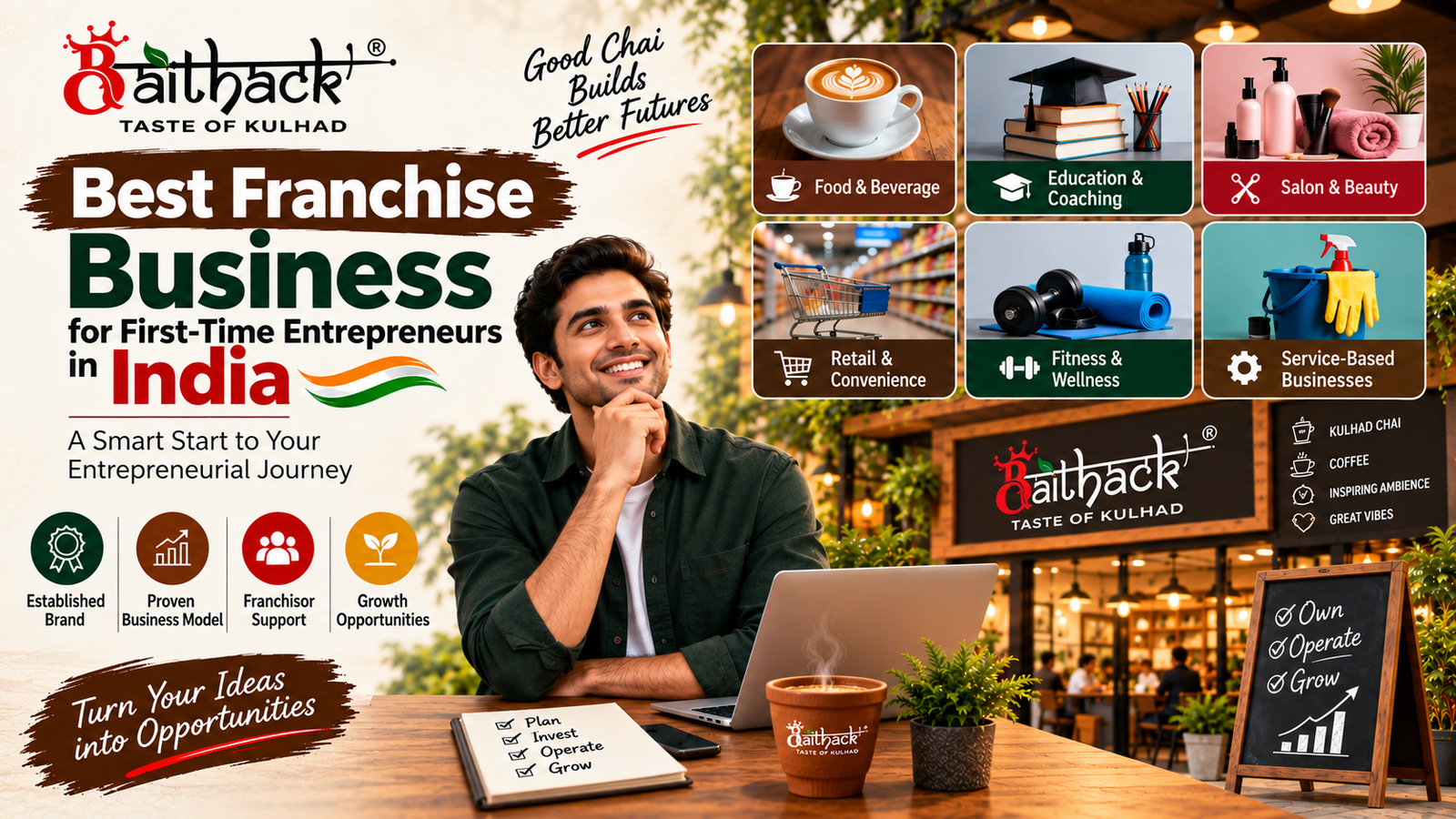
Starting a business from scratch can be challenging, especially for first-time entrepreneurs with limited experience in operations, marketing, and customer acquisition. Choosing the Best Franchise Business for First-Time Entrepreneurs can provide a structured way to enter the business world by operating under an established brand with a proven business model, standardized processes, and ongoing franchisor support. In India, growing consumer demand has created franchise opportunities across industries such as food and beverages, education, retail, beauty, fitness, and professional services. However, with so many options available, selecting the right franchise requires careful consideration. The Best Franchise Business for First-Time Entrepreneurs will ultimately depend on factors such as budget, location, skills, market demand, and the level of involvement the entrepreneur is willing to commit.
What Should First-Time Entrepreneurs Look for in a Franchise?
Before investing in a franchise, first-time entrepreneurs should evaluate more than just the brand name or initial investment. Key factors to consider include:
- Reasonable Initial Investment: Choose a franchise that fits your available capital and leaves enough funds for working capital, rent, salaries, marketing and unexpected expenses.
- Strong Brand Recognition: An established brand can make it easier to attract customers and build trust, particularly for someone without prior business experience.
- Proven and Simple Business Model: Look for a franchise with clearly defined processes, products or services, pricing and day-to-day operations that are easy to understand and follow.
- Comprehensive Franchisor Support: Training, marketing assistance, technology, operational guidance and ongoing support can significantly reduce the learning curve for new entrepreneurs.
- Reliable Supply Chain: Consistent access to products, equipment or raw materials helps maintain quality and prevents operational disruptions.
- Realistic Profit Potential: Evaluate revenue, expenses, royalties and expected margins carefully. Avoid franchises that rely on exaggerated or guaranteed return claims.
- Location Flexibility: Consider whether the franchise can work successfully in your preferred city or neighborhood and whether there is sufficient local demand.
- Room for Growth: A good franchise should offer opportunities to expand through additional outlets, services or product categories if the first location performs well.
Best Franchise Business Options for First-Time Entrepreneurs in India
Food and Beverage Franchises
Food and beverage franchises, including cafés, tea shops, quick-service restaurants and snack outlets, are popular choices for new entrepreneurs because of their recurring consumer demand. An established brand can also make customer acquisition easier. However, these businesses often involve higher rent, staffing costs, food wastage and day-to-day operational responsibilities. They are best suited to entrepreneurs who are comfortable being actively involved in managing the outlet and maintaining service quality.
Education and Coaching Franchises
Education franchises such as preschools, tutoring centres, skill-development institutes and coaching centres can be attractive for first-time business owners. They may require less inventory than retail or food businesses while benefiting from consistent demand for education and learning services. Entrepreneurs should carefully evaluate the curriculum, location, reputation of the franchisor and level of academic and operational support provided.
Salon and Beauty Franchises
Salon, beauty and wellness franchises can benefit from repeat customers and regular demand for personal-care services. A recognized brand can help build initial customer trust, while established processes can simplify operations for beginners. However, success depends heavily on hiring and retaining skilled staff, maintaining service quality and selecting a location with sufficient customer demand.
Retail and Convenience Franchises
Retail franchises can include grocery stores, specialty shops, apparel outlets and other consumer-focused businesses. They offer the advantage of established products, supplier relationships and standardized operating systems. However, first-time entrepreneurs need to be prepared for inventory management, competition and working-capital requirements. Careful monitoring of stock levels, pricing and local demand is essential for maintaining profitability.
Fitness and Wellness Franchises
Gyms, yoga studios, fitness centres and other wellness concepts can appeal to entrepreneurs looking to enter a growing consumer-services segment. The franchise model may provide established branding, equipment guidance and operational systems. However, attracting members is only the first step. Long-term success depends on customer engagement, service quality and membership retention, making effective management particularly important.
Service-Based Franchises
Service-based franchises cover areas such as cleaning, repairs, logistics, home services and business support. Compared with traditional retail, some of these models may require less physical inventory and potentially lower overheads. This can make them appealing to first-time entrepreneurs with limited capital. However, profitability depends on service quality, workforce management, customer acquisition and the franchisor’s ability to provide effective training and operational support.
How to Choose the Right Franchise for Your Budget and Skills
- Define Your Budget: Determine how much capital you can comfortably invest, while keeping a separate emergency reserve and sufficient working capital for the initial months.
- Assess Your Skills and Experience: Consider your professional background, management skills and areas of interest. Choose a business model that matches your strengths.
- Decide Your Level of Involvement: Determine whether you want to manage the business yourself or prefer a manager-led model. Some franchises require significantly more hands-on involvement than others.
- Research the Local Market: Study customer demand, competitors, demographics and location suitability before committing to a franchise.
- Understand All Costs: Look beyond the initial franchise fee. Consider royalties, marketing fees, rent, salaries, equipment, inventory and other recurring expenses.
- Evaluate Franchisor Support: Check the quality of training, technology, marketing assistance, supply-chain support and ongoing operational guidance.
- Talk to Existing Franchisees: Speak with current franchise owners to understand their real-world experience, challenges, costs and level of support.
- Look Beyond ROI Claims: Do not choose a franchise solely because of advertised revenue or return-on-investment figures. Evaluate the complete business model and its risks before investing.
Which Franchise Is Best for a First-Time Entrepreneur?
There is no single “best” franchise for every first-time entrepreneur in India. The right choice depends on factors such as available capital, skills, location, market demand and the level of involvement the owner is willing to provide.
For entrepreneurs looking for a structured and relatively straightforward business model, starting with a café franchise can be an attractive option. Established café franchises typically provide standardized recipes, operating procedures, staff training, branding and marketing support, which can reduce the learning curve for first-time business owners and make day-to-day operations easier to manage. With the right location, cost structure and customer demand, a well-managed café can also have the potential to reach profitability within a reasonable period.
Ultimately, entrepreneurs should choose a franchise based on their budget, skills, local demand and willingness to manage the business, rather than simply choosing a popular brand or relying on promised returns. A café franchise with standardized processes and strong franchisor support can be a practical starting point for entrepreneurs who want to enter the food and beverage sector with a more established business framework.